
Tag Archives: Les Bory

Leni­ency for crack dealer because of his nine chil­dren, race

Posted on by

CrimeSociety

Leni­ency for crack dealer because of his nine chil­dren, race

[The following story shows that it’s no longer hidden, Canada’s woke anti-White courts give Indians and Blacks automatic discounts in sentencing merely for being Indian or Black. There’s no pretence of equality.]

National Post - (Latest Edition)

CHRIS LAMBIE

3 Feb 2026

A Toronto crack cocaine dealer caught back in busi­ness three times over the course of 10 months man­aged to con­vince a judge that he deserves some leni­ency because put­ting him behind bars would mean hard­ship for his nine chil­dren, but not because he’s addicted to the drugs he was caught ped­dling.

Lloyd Wil­li­ams pleaded guilty in Ontario’s Court of Justice to three counts of pos­ses­sion of cocaine for the pur­pose of traf­fick­ing in what Justice André Cham­ber­lain described as the “deeply troubled” neigh­bour­hood sur­round­ing the inter­sec­tion at Dun­das and Sher­bourne streets for arrests on March 3, 2024, Oct. 25, 2024, and Jan. 4, 2025.
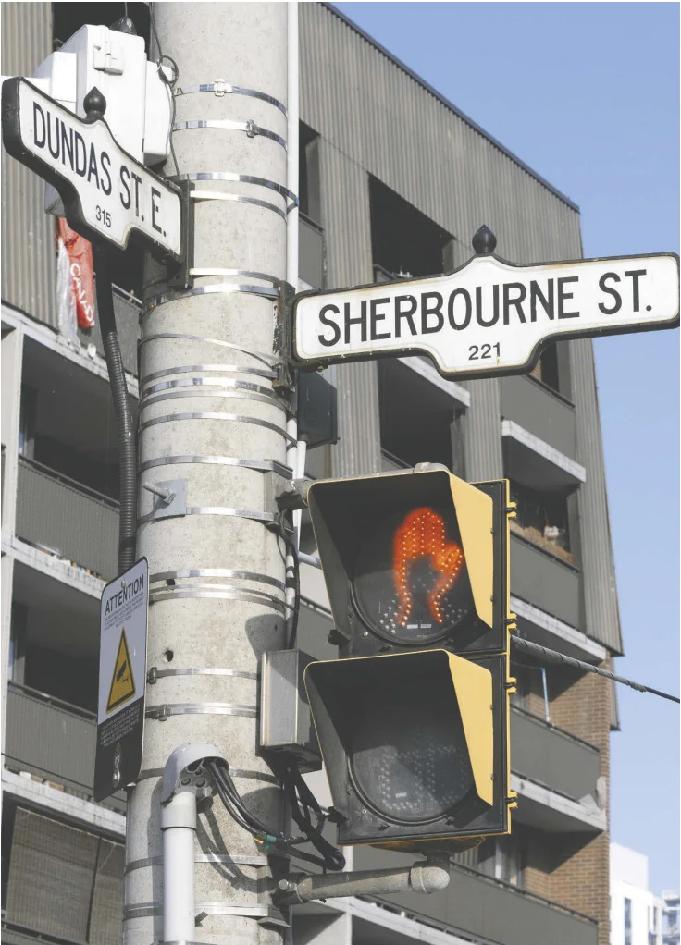
Lloyd Wil­li­ams pleaded guilty in Ontario’s Court of Justice to three counts of pos­ses­sion of cocaine for the pur­pose of traf­fick­ing in what Justice André Cham­ber­lain described as the “deeply troubled” neigh­bour­hood sur­round­ing the inter­sec­tion at Dun­das and Sher­bourne streets in Toronto.

Wil­li­ams, who was released after each arrest — twice on bail and a third time on the prom­ise he wear a GPS track­ing device — also pleaded guilty to one count of pos­ses­sion of pro­ceeds of crime over $5,000, and two counts for under that amount, and fail­ing to com­ply with a release order on Feb. 15, 2025. [This miscreant and professional criminal and hyper-sexed breeder easily got bail at least three times for dealing in drugs. Canadian political prisoner Les Bory was kept in detention and refused bail merely for expressing his ideas on a podcast. Do evil things, especially if you’re a privileged minority and the system bends over backwards for you. Express “evil” ideas, especially if you’re White and the system hits you harshly.]

The Crown recom­men­ded a six-and-a-half-year prison sen­tence. Wil­li­ams’ law­yer argued for two years less a day in jail.

“Lloyd Wil­li­ams has nine chil­dren in total: two stepchil­dren and seven bio­lo­gical,” Cham­ber­lain wrote in a recent decision. “The young­est is just 10 months old.” One is 22 months old, and another is three, said the judge.

Wil­li­ams also has nine year-old twins, two 10-year olds and a 16-year-old. One of his nine-year-olds is on the aut­ism spec­trum, Cham­ber­lain said.

“He states that he provides sup­port as a father to his chil­dren and that any lengthy absence would have a sig­ni­fic­ant impact on their health and well-being.”

Wil­li­ams iden­ti­fies as both Black and Mi’kmaq. [Two privileged minority statuses. That should be good for a double discount.]Though he couldn’t prove the lat­ter, the judge was “sat­is­fied” Wil­li­ams “has estab­lished a con­nec­tion to Indi­gen­ous ances­try.”

“It is not unusual for Indi­gen­ous people who have struggled under the yoke of colo­ni­al­ism in this coun­try and its intergen­er­a­tional impact to have lost con­nec­tions to their roots and com­munity,” Cham­ber­lain said.

“Fur­ther, mark­ers of the effects of intergen­er­a­tional trauma, includ­ing poverty, familial addic­tion, struggles with edu­ca­tion and men­tal health, and over-rep­res­ent­a­tion within the crim­inal justice and child wel­fare sys­tem, are often present when Indi­gen­ous iden­tity is con­firmed.”

Wil­li­ams “deserves con­sid­er­a­tion for the reduced moral blame­wor­thi­ness asso­ci­ated with these chal­lenges,” said the judge.

Wil­li­ams, 44, was dia­gnosed with epi­lepsy at the age of three and con­tin­ues to have seizures, said the decision.

His law­yer argued “that, in addi­tion to the sig­ni­fic­ant mit­ig­at­ing health and per­sonal cir­cum­stances, there are two legal con­sid­er­a­tions that should mit­ig­ate his sen­tence, bring­ing it down to an upper reform­at­ory range, namely, the impact and harm a lengthy prison sen­tence will have on his fam­ily, and secondly, that Mr. Wil­li­ams is addicted to the very drugs he sells, and as an addict-traf­ficker, he is entitled to sig­ni­fic­ant mit­ig­a­tion,” said the decision, dated Jan. 23.

Cham­ber­lain sen­tenced Wil­li­ams, who already had a lengthy crim­inal his­tory, to four-and-a-half years in prison.

“Mit­ig­a­tion for addict traf­fick­ers applies to cases where addicts agree to pur­chase a small amount of a street drug from their dealer on behalf of someone unknown to the dealer,” said the judge.

“They usu­ally ask for the money up front, get a good deal from their dealer, and then chip off a por­tion of the drugs they have pur­chased for their own per­sonal use, as a means of feed­ing their addic­tion,” Cham­ber­lain said.

That’s not the case with Wil­li­ams, said the judge.

“I do not deny that he is addicted to cocaine and likely other sub­stances as well. However, the amounts of drugs he had in his pos­ses­sion on each of the three occa­sions he was arres­ted were sub­stan­tial. In March 2024, it was just over one ounce; in Octo­ber 2024, over four ounces; and in Janu­ary 2024, close to two ounces. These amounts make him a mid-level traf­ficker. The pro­ceeds seized from him over those three events, totalling over $7,800, strongly sug­gest that this endeav­our is for profit.”

The judge did not con­sider Wil­li­ams’ addic­tion a mit­ig­at­ing factor.

“With respect to the pos­i­tion that I should con­sider the impact of fur­ther incar­cer­a­tion on his fam­ily, I agree I should con­sider the facts before me in con­sid­er­a­tion of any sen­tence,” Cham­ber­lain said.

The courts have found that “fam­ily sep­ar­a­tion con­sequences may jus­tify a sen­tence adjust­ment — even a sig­ni­fic­ant one — or a depar­ture from the range,” said the judge.

“This is true even for grave offences that require deterrence and denun­ci­ation.”

The judge accep­ted that some of Wil­li­ams’ “chil­dren are infants or tod­dlers, and that any assist­ance must bene­fit the mother who cares for them. However, I note that Lloyd Wil­li­ams has already jeop­ard­ized his abil­ity to be with his chil­dren and provide sup­port by his repeated re-offend­ing while on bail and strict house arrest con­di­tions, and finally by his house arrest with a surety.”

The judge also noted that in 2021 and 2024, Wil­li­ams “was con­victed of ser­i­ous domestic assault charges, includ­ing assault by chok­ing. His troubled past rela­tion­ship, which led to domestic assaults, sug­gests a dimin­ished value in the sup­port he provides to his chil­dren and fam­ily.”

The judge said he gave less con­sid­er­a­tion to Wil­li­ams’ “claim that his chil­dren and their mother will suf­fer familial harm from his incar­cer­a­tion, given his past and these crim­inal acts.”

But Cham­ber­lain said Wil­li­ams “is entitled to mit­ig­a­tion, to a greater or lesser extent, for these and the other mit­ig­at­ing cir­cum­stances.

“I have already dis­missed the fin­an­cial impact on his fam­ily because the court can­not con­done the notion that the loss of pro­ceeds from a drug traf­fick­ing enter­prise can be con­sidered mit­ig­at­ing,” Cham­ber­lain said.

“But I can­not dis­count what, at a min­imum, is a fit sen­tence in these cir­cum­stances, to a time-served sen­tence, because of this unfor­tu­nate impact on the fam­ily.”

Cham­ber­lain recog­nized Wil­li­ams’ “decision to forgo his right to a trial on these mat­ters as sig­ni­fic­antly mit­ig­at­ing, and he receives credit for that,” said the decision.

Posted on by
Convicted Pakistani Drug Pusher Released on Bail After Breaching Earlier Bail — Now, If He Were A Political Dissident Like Less Bory, There’s Be No Bail for Him

Released and Re-Arrested: Convicted Trafficker in Canada’s Largest Carfentanil Case Breached Bail Within Weeks

Ottawa’s Obstruction of DEA Carfentanil Probe Underscores Carney–Poilievre Clash on Sentencing

Sam CooperMay 2

OTTAWA — A convicted opioid trafficker from Pakistan, connected to Canada’s largest-ever carfentanil seizure, was released on bail just seven months after his conviction—and violated his release conditions within weeks, getting “arrested for a drug offence” after a late-night parking lot meeting in Greater Toronto, near the site of the original seizure, according to Ontario court records reviewed by The Bureau.

Maisum Ansari, the owner of a Pickering home where 42 kilograms of the ultra-lethal synthetic opioid were discovered in 2017, was convicted in February 2023 and sentenced to 20 years for possessing firearms and 26 kilograms of carfentanil for the purpose of trafficking. In September 2023, Justice Steve Coroza of the Ontario Court of Appeal granted Ansari bail pending appeal, ruling that his proposed supervision plan and appeal grounds met the legal threshold.

But a newly surfaced 2024 ruling shows that on October 28, 2023—just weeks after his release—Ansari was arrested in a vehicle in Whitby shortly before 3:30 a.m. with suspected drugs and later pleaded guilty to obstruction and impersonation charges after lying to police about his name.

“He explained that he lied about his name because he was worried that he could be charged with offences related to the drugs found in the vehicle,” the ruling says. “He denied lying because he was concerned about his curfew.”

Now, amid fallout from Canada’s 2025 federal election—where Pierre Poilievre pledged life sentences for fentanyl traffickers and Prime Minister Mark Carney countered that such measures would undermine Canada’s Charter of Rights—the Ansari case offers a real-world example of how Canada’s bail regime is colliding with high-stakes national security and public safety concerns.

As previously reported by The Bureau, the Pickering seizure had drawn interest from the U.S. Drug Enforcement Administration, which raised concerns about potential links to Chinese precursor suppliers and Pakistani threat networks.

Don Im, a former top DEA official, said his requests for sample access and deeper cooperation on the Pickering investigation were blocked by RCMP headquarters. At the time, Justin Trudeau’s Public Safety Minister, Ralph Goodale, publicly denied any national security links to those involved in the case.

But The Bureau’s review of court filings linked to a 2018 Danforth shooting rampage reveals a cross-provincial criminal history that could resonate with more recent investigations into large-scale fentanyl production in British Columbia. Canadian-based superlabs are suspected to have ties to networks operating between China, the Middle East, and Mexican cartels, according to Canadian and U.S. expert sources.

Danforth shooter Faisal Hussain’s older brother, Fahad Hussain, overdosed in the Pickering home in 2017 after handling carfentanil. Two years earlier, in 2015, Fahad was arrested in Saskatoon for allegedly selling crack cocaine. Released on the condition he reside at his family’s Toronto home, he was again charged in 2017 with possessing ammunition and violating bail conditions. That time, he was ordered to reside with a surety—Maisum Ansari—in Pickering.

The Ansari bail breach case describes what could be seen by a critical eye as an unusual late-night sequence of events: a meeting in a Pickering parking lot involving the exchange of items between vehicles, and multiple stops across the region. However, the judge did not assign any negative inference to the activity.

Justice Joseph Hanna wrote: “I have some reservations with certain aspects of Mr. Ansari’s evidence,” but added, “Despite the above-mentioned concerns, I am willing to give Mr. Ansari the benefit of the doubt that he was working in Scarborough, that he attended the No Frills parking lot, and then attended two addresses in Oshawa before travelling to Whitby.”

According to the ruling, after finishing work around 12:30 a.m., Ansari was driven by a man named Alex Vo to the Port Union area in Pickering, where he met Abidali Khimani in a No Frills parking lot at approximately 1:00 a.m.

Khimani testified that he picked up Ansari at the lot, where Ansari was with a couple of co-workers. The men reportedly discussed Khimani’s new BMW and transferred tools between vehicles. He said they were there for “a little bit just exchanging stuff.” Ansari testified that he moved a generator from one vehicle to another and had also picked up a container of vodka from a garage.

Afterwards, Khimani drove Ansari to his ex-wife’s residence in Oshawa, where they unloaded toolboxes, a generator, and other equipment. The pair then drove a short distance to Khimani’s home, where they moved additional tools.

In September 2017, with Fahad in a coma, fire crews responded to a carbon monoxide alarm at the Pickering house. Inside the basement, police found 33 firearms, specialized containment gear, and 42 kilograms of carfentanil—an amount DEA experts say could yield tens of millions of lethal doses.

As reported by The Globe and Mail, Ansari’s release in September 2023 came as Parliament debated bail reform legislation amid a national opioid death crisis. Although the proposed law focused on repeat violent offenders and wouldn’t have applied directly to Ansari, the ruling reaffirmed broader principles favoring release plans deemed credible.

Prosecutors portrayed Ansari as a cog in a trafficking enterprise. Babar Ali, who rented the Pickering unit, pleaded guilty and received 23 years. Ansari denied knowing about the drugs and guns, but the trial judge rejected his evidence as lacking credibility, citing lies to police and his mortgage lender and a web search history related to drug ingredients.

At trial, toxicologist Dr. Karen Woodall described carfentanil as up to 100 times stronger than fentanyl and 10,000 times more potent than morphine, noting it had been implicated in numerous deaths.