Tag Archives: Black Discount

How the Black Discount in Sentencing Works in Our Anti-White Courts

Posted on by

Justice Watch: Justice Frank Hoskins cuts Nigerian sex offender’s sentence after race and culture assessment

Omogbolahan “Teddy” Jegede was sentenced to two years in prison for sexually assaulting two women in 2022 and 2023.Sheila Gunn ReidSheila Gunn Reid   |   August 18, 2026   |   News   |   5 Comments Source: CBC and Nova Scotia Courts
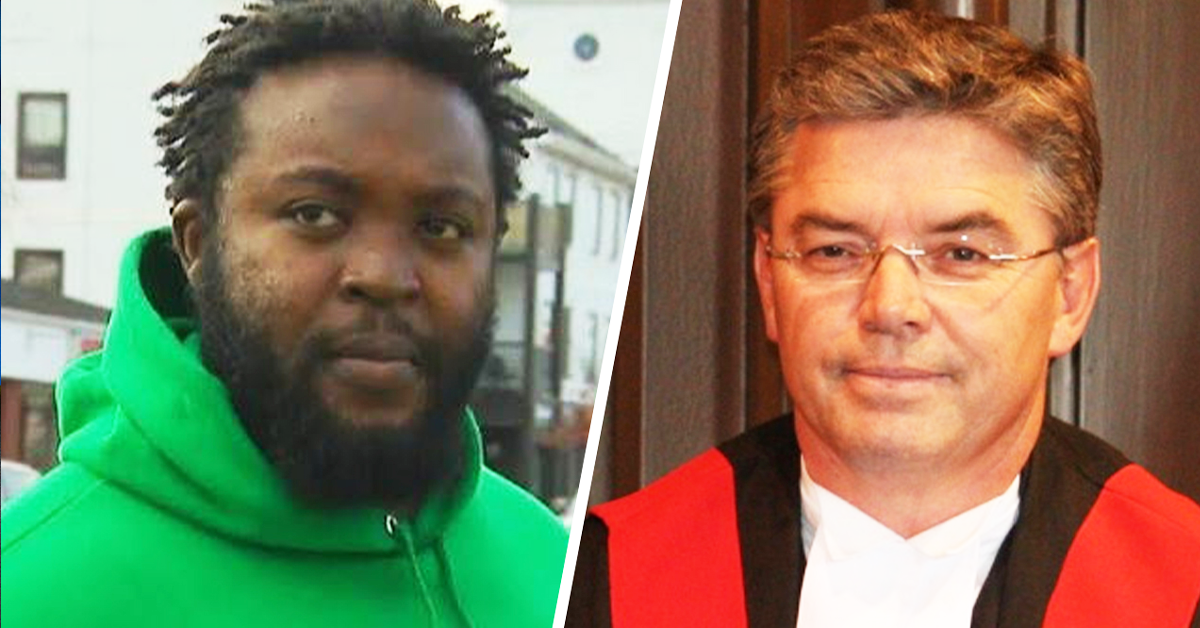
Source: CBC and Nova Scotia Courts

A Nova Scotia judge sentenced a former university football player convicted of sexually assaulting two women to two years behind bars, explicitly stating the sentence would have been “much higher” without an assessment examining the offender’s race and cultural background.

On December 17, 2025, Nova Scotia Supreme Court Justice Frank Hoskins sentenced 25-year-old Omogbolahan “Teddy” Jegede following his conviction by a jury earlier in 2025 for sexually assaulting two women at St. Francis Xavier University.

The attacks occurred in university residences in Antigonish in 2022 and 2023, approximately five months apart, as reported by the National Post.

One victim testified that Jegede choked her nearly to the point of unconsciousness. The other was forced to perform oral sex while Jegede physically controlled her movements. Both women described being physically dominated by Jegede.

“It should be noted that but, for the contents of the [this doesn’t apply if you’re White or Oriental] and all the mitigating factors surrounding Omogbolahan (Teddy) Jegede, this sentence would have been much higher,” Hoskins said in his sentencing decision.

The Crown sought a sentence of up to three years, while Jegede’s defence asked for a conditional sentence that would have allowed him to serve his punishment in the community.

Hoskins rejected the defence request, saying incarceration was necessary to express society’s condemnation of the crimes.

He imposed 18 months for the more violent sexual assault and six months for the other, for a total of two years. Jegede was also given three years of probation.

Central to the sentencing was an Impact of Race and Culture Assessment (IRCA), which examined Jegede’s experiences as a black immigrant to Canada.

Jegede was born in Lagos, Nigeria, and moved to Canada with his family in 2010. His family initially lived in Brampton, Ontario, before moving to Fort McMurray, Alberta. The court heard that Jegede experienced bullying as a child because of his accent and race and later felt isolated as a black student attending university in Antigonish.

The IRCA also examined academic difficulties, mental-health struggles and an absence of adult mentors while Jegede attended university.

“The absence of adult mentors or role models further exacerbated Mr. Jegede’s vulnerability,” Hoskins said while quoting the assessment.

Hoskins said the IRCA provided “valuable insight” into Jegede’s background from a social and cultural perspective.

At the same time, the judge acknowledged the seriousness of the crimes and the fact there were two separate victims.

Hoskins said the two offences occurring in similar circumstances only five months apart suggested Jegede “may be dangerous.” He also identified the violence and invasive nature of the assaults as a primary aggravating factor.

Despite those findings, Hoskins suggested Jegede could be a candidate for early release.

“I think Mr. Jegede will be a really good candidate for probably early parole given everything I’ve read,” he said.

The use of IRCAs was expanded with federal funding under former prime minister Justin Trudeau’s government. In April 2021, then-justice minister David Lametti announced $6.64 million over five years, followed by $1.6 million annually, to support their implementation across Canada.

The Justice Department said the assessments are intended to help sentencing judges understand how factors including “poverty, marginalization, racism, and social exclusion” have affected an offender and their life experiences.

In Jegede’s case, Hoskins was explicit about the assessment’s effect on the punishment: without the IRCA, pre-sentence report and other mitigating factors, he said the prison sentence would have been “much higher.” (The Rebel, August 18, 2026)

How the Black Discount in Sentencing Works in Our Anti-White Courts

Justice Watch: Justice Frank Hoskins cuts Nigerian sex offender’s sentence after race and culture assessment

Omogbolahan “Teddy” Jegede was sentenced to two years in prison for sexually assaulting two women in 2022 and 2023.Sheila Gunn ReidSheila Gunn Reid   |   August 18, 2026   |   News   |   5 Comments Source: CBC and Nova Scotia Courts

Source: CBC and Nova Scotia Courts

Leni­ency for crack dealer because of his nine chil­dren, race

Posted on by

CrimeSociety

Leni­ency for crack dealer because of his nine chil­dren, race

[The following story shows that it’s no longer hidden, Canada’s woke anti-White courts give Indians and Blacks automatic discounts in sentencing merely for being Indian or Black. There’s no pretence of equality.]

National Post - (Latest Edition)

CHRIS LAMBIE

3 Feb 2026

A Toronto crack cocaine dealer caught back in busi­ness three times over the course of 10 months man­aged to con­vince a judge that he deserves some leni­ency because put­ting him behind bars would mean hard­ship for his nine chil­dren, but not because he’s addicted to the drugs he was caught ped­dling.

Lloyd Wil­li­ams pleaded guilty in Ontario’s Court of Justice to three counts of pos­ses­sion of cocaine for the pur­pose of traf­fick­ing in what Justice André Cham­ber­lain described as the “deeply troubled” neigh­bour­hood sur­round­ing the inter­sec­tion at Dun­das and Sher­bourne streets for arrests on March 3, 2024, Oct. 25, 2024, and Jan. 4, 2025.

Lloyd Wil­li­ams pleaded guilty in Ontario’s Court of Justice to three counts of pos­ses­sion of cocaine for the pur­pose of traf­fick­ing in what Justice André Cham­ber­lain described as the “deeply troubled” neigh­bour­hood sur­round­ing the inter­sec­tion at Dun­das and Sher­bourne streets in Toronto.

Wil­li­ams, who was released after each arrest — twice on bail and a third time on the prom­ise he wear a GPS track­ing device — also pleaded guilty to one count of pos­ses­sion of pro­ceeds of crime over $5,000, and two counts for under that amount, and fail­ing to com­ply with a release order on Feb. 15, 2025. [This miscreant and professional criminal and hyper-sexed breeder easily got bail at least three times for dealing in drugs. Canadian political prisoner Les Bory was kept in detention and refused bail merely for expressing his ideas on a podcast. Do evil things, especially if you’re a privileged minority and the system bends over backwards for you. Express “evil” ideas, especially if you’re White and the system hits you harshly.]

The Crown recom­men­ded a six-and-a-half-year prison sen­tence. Wil­li­ams’ law­yer argued for two years less a day in jail.

“Lloyd Wil­li­ams has nine chil­dren in total: two stepchil­dren and seven bio­lo­gical,” Cham­ber­lain wrote in a recent decision. “The young­est is just 10 months old.” One is 22 months old, and another is three, said the judge.

Wil­li­ams also has nine year-old twins, two 10-year olds and a 16-year-old. One of his nine-year-olds is on the aut­ism spec­trum, Cham­ber­lain said.

“He states that he provides sup­port as a father to his chil­dren and that any lengthy absence would have a sig­ni­fic­ant impact on their health and well-being.”

Wil­li­ams iden­ti­fies as both Black and Mi’kmaq. [Two privileged minority statuses. That should be good for a double discount.]Though he couldn’t prove the lat­ter, the judge was “sat­is­fied” Wil­li­ams “has estab­lished a con­nec­tion to Indi­gen­ous ances­try.”

“It is not unusual for Indi­gen­ous people who have struggled under the yoke of colo­ni­al­ism in this coun­try and its intergen­er­a­tional impact to have lost con­nec­tions to their roots and com­munity,” Cham­ber­lain said.

“Fur­ther, mark­ers of the effects of intergen­er­a­tional trauma, includ­ing poverty, familial addic­tion, struggles with edu­ca­tion and men­tal health, and over-rep­res­ent­a­tion within the crim­inal justice and child wel­fare sys­tem, are often present when Indi­gen­ous iden­tity is con­firmed.”

Wil­li­ams “deserves con­sid­er­a­tion for the reduced moral blame­wor­thi­ness asso­ci­ated with these chal­lenges,” said the judge.

Wil­li­ams, 44, was dia­gnosed with epi­lepsy at the age of three and con­tin­ues to have seizures, said the decision.

His law­yer argued “that, in addi­tion to the sig­ni­fic­ant mit­ig­at­ing health and per­sonal cir­cum­stances, there are two legal con­sid­er­a­tions that should mit­ig­ate his sen­tence, bring­ing it down to an upper reform­at­ory range, namely, the impact and harm a lengthy prison sen­tence will have on his fam­ily, and secondly, that Mr. Wil­li­ams is addicted to the very drugs he sells, and as an addict-traf­ficker, he is entitled to sig­ni­fic­ant mit­ig­a­tion,” said the decision, dated Jan. 23.

Cham­ber­lain sen­tenced Wil­li­ams, who already had a lengthy crim­inal his­tory, to four-and-a-half years in prison.

“Mit­ig­a­tion for addict traf­fick­ers applies to cases where addicts agree to pur­chase a small amount of a street drug from their dealer on behalf of someone unknown to the dealer,” said the judge.

“They usu­ally ask for the money up front, get a good deal from their dealer, and then chip off a por­tion of the drugs they have pur­chased for their own per­sonal use, as a means of feed­ing their addic­tion,” Cham­ber­lain said.

That’s not the case with Wil­li­ams, said the judge.

“I do not deny that he is addicted to cocaine and likely other sub­stances as well. However, the amounts of drugs he had in his pos­ses­sion on each of the three occa­sions he was arres­ted were sub­stan­tial. In March 2024, it was just over one ounce; in Octo­ber 2024, over four ounces; and in Janu­ary 2024, close to two ounces. These amounts make him a mid-level traf­ficker. The pro­ceeds seized from him over those three events, totalling over $7,800, strongly sug­gest that this endeav­our is for profit.”

The judge did not con­sider Wil­li­ams’ addic­tion a mit­ig­at­ing factor.

“With respect to the pos­i­tion that I should con­sider the impact of fur­ther incar­cer­a­tion on his fam­ily, I agree I should con­sider the facts before me in con­sid­er­a­tion of any sen­tence,” Cham­ber­lain said.

The courts have found that “fam­ily sep­ar­a­tion con­sequences may jus­tify a sen­tence adjust­ment — even a sig­ni­fic­ant one — or a depar­ture from the range,” said the judge.

“This is true even for grave offences that require deterrence and denun­ci­ation.”

The judge accep­ted that some of Wil­li­ams’ “chil­dren are infants or tod­dlers, and that any assist­ance must bene­fit the mother who cares for them. However, I note that Lloyd Wil­li­ams has already jeop­ard­ized his abil­ity to be with his chil­dren and provide sup­port by his repeated re-offend­ing while on bail and strict house arrest con­di­tions, and finally by his house arrest with a surety.”

The judge also noted that in 2021 and 2024, Wil­li­ams “was con­victed of ser­i­ous domestic assault charges, includ­ing assault by chok­ing. His troubled past rela­tion­ship, which led to domestic assaults, sug­gests a dimin­ished value in the sup­port he provides to his chil­dren and fam­ily.”

The judge said he gave less con­sid­er­a­tion to Wil­li­ams’ “claim that his chil­dren and their mother will suf­fer familial harm from his incar­cer­a­tion, given his past and these crim­inal acts.”

But Cham­ber­lain said Wil­li­ams “is entitled to mit­ig­a­tion, to a greater or lesser extent, for these and the other mit­ig­at­ing cir­cum­stances.

“I have already dis­missed the fin­an­cial impact on his fam­ily because the court can­not con­done the notion that the loss of pro­ceeds from a drug traf­fick­ing enter­prise can be con­sidered mit­ig­at­ing,” Cham­ber­lain said.

“But I can­not dis­count what, at a min­imum, is a fit sen­tence in these cir­cum­stances, to a time-served sen­tence, because of this unfor­tu­nate impact on the fam­ily.”

Cham­ber­lain recog­nized Wil­li­ams’ “decision to forgo his right to a trial on these mat­ters as sig­ni­fic­antly mit­ig­at­ing, and he receives credit for that,” said the decision.