Category Archives: Uncategorized
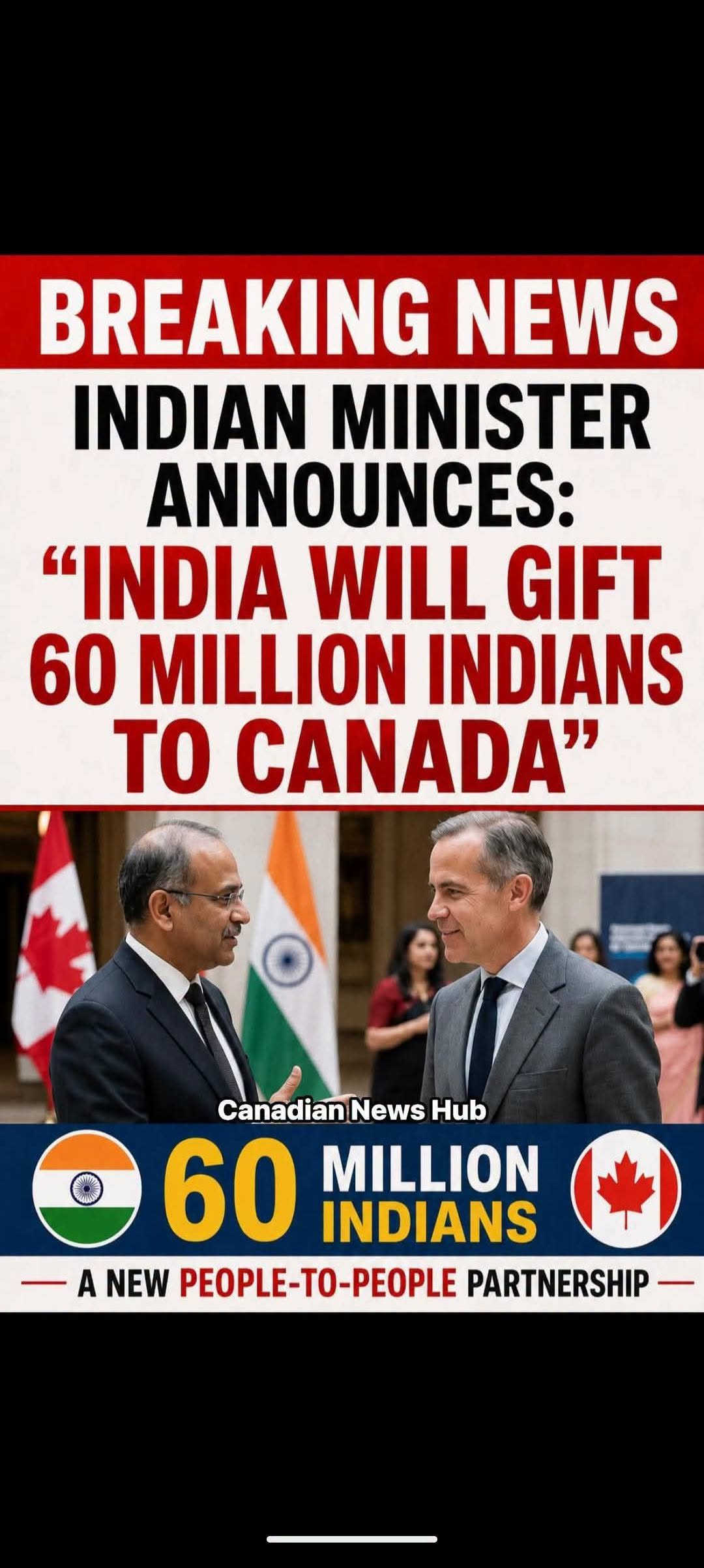
Indian Minister Offers 60-Million Indians to Canada: KEEP THEM IN INDIA AND “MAKE INDIA GREAT AGAIN”
Anti-White Discrimination at Yukon Hospitals & B.C. Parks
[The degrading of the European founding/settler people of Canada increases every day. The perpetrators are our own treasonous elite. The latest: the Yukon’s three hospitals will now practise segregation with privileged parking spaces reserved for native Indians. Another slap in the face to the Whites who pay the overwhelming majority of the taxes.The justification? “These spaces are one way we are showing our commitment to Truth & Reconciliation, Decolonization & Indigenization.”
The soul-sickening, phony White guilt pervades the hospitals approach.
“Systemic racism and intolerance is pervasive and deep-rooted . … We know it is present in Canada, in the Yukon and in our communities. It exists within our hospitals and health care system,” reads the agency’s 2022-2027 strategic plan. Yes, “systemic racism” directed at the overtaxes, White dispossessed Majority.
Meanwhile in neighbouring British Columbia, Whites will be excluded from certain provincial parks they pay for for certain times this summer. “
One of the more controversial was the B.C. government agreeing last year to begin closing select provincial parks to non-indigenous users.
Just this weekend, in fact, B.C. is set to shut off public access to Botanical Beach, a popular section of the Juan da Fuca trail. According to a statement by the B.C. Ministry of Environment, the 72-hour closure is being done “to give members of the Pacheedaht First Nation time and privacy to harvest marine resources, connect with part of their territory.”
A much longer closure is also being ordered for Joffre Lakes Provincial Park, which will be closed between June 20 and 27, and then again between Sept. 8 and 30. “These periods will provide space for the Lilwat Nation and N’quatqua to connect with the land,” reads a disclaimer on the park’s official site.” (National Post, June 16, 2026)
n Canadian first, Yukon creates race-based parking
YUKON POLICY IS TO ASK PATIENTS INDIGENOUS STATUS TO ACCESS SPECIALIZED SERVICES
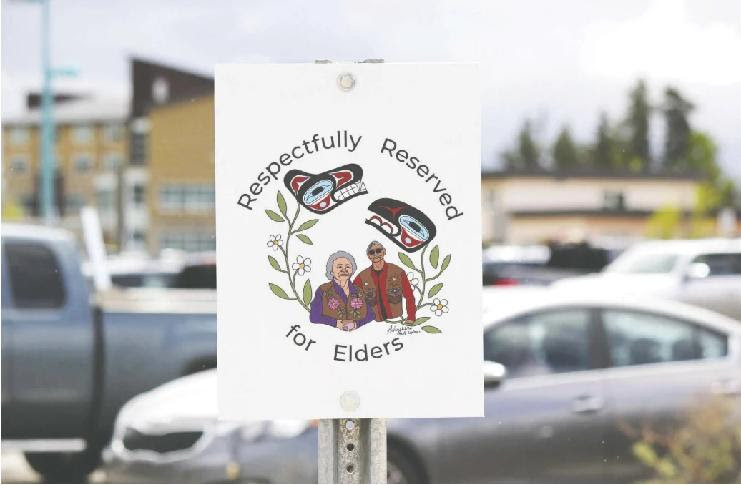
As part of their stated commitment to “decolonization and Indigenization” in health care, the Yukon is debuting Indigenous-only parking spaces at all three of its hospitals.
In a social media post last week, Yukon Hospitals announced that the territory’s hospitals would henceforth feature reserved parking spots marked “Respectfully Reserved for Elders.”
Reserved exclusively for “First Nation, Inuit, and Métis Elders,” the spaces are marked with signs featuring commissioned art from two Yukon-based Indigenous artists; one prepared a stylized image of two elders, while another prepared the accompanying text reading “respectfully reserved for elders.”
“These spaces are one way we are showing our commitment to Truth & Reconciliation, Decolonization & Indigenization,” reads a description by Yukon Hospitals.
The elder spots are set to be installed at the territory’s main hospital in Whitehorse, as well as at the Dawson City Community Hospital and the Watson Lake Community Hospital. Parking for everyone at all three hospitals is free.
They will be placed in lots whose only other designated parking is currently for staff or disabled users. Although the Whitehorse General Hospital notably has designated RV parking: a service for patients from distant communities driving in for scheduled procedures.
Yukon Hospitals, like many Canadian government and health-care authorities, has publicly embraced the notion that its facilities are shot through with “systemic racism” that can only be alleviated via differential treatment for marginalized groups.
“Systemic racism and intolerance is pervasive and deep-rooted . … We know it is present in Canada, in the Yukon and in our communities. It exists within our hospitals and health care system,” reads the agency’s 2022-2027 strategic plan.
That same plan has the hospital authority pledging to make “Yukon First Nations ways of knowing, doing and being part of everything we do.”
Up to one-third of patients at Whitehorse General Hospital are Indigenous, according to a Yukon Hospitals estimate in a 2016 newsletter.
And the territory, like B.C., has a policy of asking patients their Indigenous status in order to access culturally specific services such as traditional food or “traditional medicine.”
The system is largely based on the honour system, however. The patient guidebook to the Whitehorse General Hospital notes that the facility’s admitting desk will “ask every patient if they would like to identify as First Nations, Métis or Inuit.”
“This will ensure that all persons that self-identify will have access to our programs,” it notes.
The threshold of Indigenous-only parking spots is a new one. Not just in the Yukon, but in Canada generally.
In fact, the Indigenous-only spots appear to be Canada’s only instances of public parking spots being set aside based on the immutable characteristics of the driver.
The closest analogue would be instances in both Germany and South Korea where public parking spots were set aside exclusively for women. Germany has been installing women-only parking spots since the 1990s, following a wave of violent sexual assaults taking place in parking garages.
The spots, labelled “reserviert fuer frauen,” are typically in well-lit areas located close to building entrances. No such “she-spots” or “Frauenparkplatz” are known to exist in Canada, although there are spots for expectant mothers, or parents with young children.
The Yukon parking spaces do fit within a larger trend of Indigenous Canadians being given priority access to public spaces in the service of reconciliation.
One of the more controversial was the B.C. government agreeing last year to begin closing select provincial parks to non-indigenous users.
Just this weekend, in fact, B.C. is set to shut off public access to Botanical Beach, a popular section of the Juan da Fuca trail. According to a statement by the B.C. Ministry of Environment, the 72-hour closure is being done “to give members of the Pacheedaht First Nation time and privacy to harvest marine resources, connect with part of their territory.”
A much longer closure is also being ordered for Joffre Lakes Provincial Park, which will be closed between June 20 and 27, and then again between Sept. 8 and 30. “These periods will provide space for the Lilwat Nation and N’quatqua to connect with the land,” reads a disclaimer on the park’s official site.
In news of the weird and unexpected, yesterday Al Jazeera reported, “‘Send them back’ chants in EU Parliament after anti-migrant bill passes.” The ministers were literally hugging each other.

Well, maybe it isn’t that surprising. But first, the new Europe-wide law established “return hubs” in third countries, expanded detention powers (including home raids without judicial warrants), and fueled a general “hard rightward turn” in EU migration enforcement. PBS framed it as the strictest EU migration law in decades, explicitly modeled on U.S. ICE‑style tactics: extended detention periods, aggressive home searches, tougher entry bans, and offshored facilities where EU process protections are weakest.
“The new regulation will speed up the return process and increase returns of persons who have no legal right to stay in the EU,” said Nicholas Ioannides, deputy migration minister for Cyprus, which holds the rotating presidency of the 27-nation bloc. “Critics compared the regulation to the immigration policies of the Trump administration,” NPR said, without naming the critics (it was NPR and NGO activists).
“These new rules will ensure swifter, simpler, and more effective procedures across the European Union for returning non-EU nationals who have no right to stay, in full respect of international law and fundamental rights,” said Henna Virkkunen, EU commissioner for technology.
“This deal will give governments much broader powers to detain and deport people,” complained Marta Welander, a middle-aged white female activist employed by a migration NGO. “It looks set to normalize immigration raids, and expand the use of detention in prison-like facilities outside EU territory that are essentially legal black holes.”

Legal black holes is also a neat way to describe migration NGOs themselves. They are basically money vortexes disguised as charities that suck up our taxes and pay lawyers to sink the ship of state.
 In my view, three things made these surprising “historic” reforms possible.
First, “far-right” (moderate conservative) parties have been ascendant in Europe, a trend that accelerated after President Trump’s re-election last year. Conservative and “reform” parties now make up about a third of all elected EU members.
Second, center-left parties —also about a third— joined the conservatives to pass the new anti-migration policies. Only the far-left parties (Greens and socialists) opposed the new package and shouted “shame!” at their colleagues after the vote passed. (Although you could hardly hear them over all the joyful celebrating.) Thanks to the center-left’s flip, it passed by an unbeatable two-thirds majority.

Third, the center-left’s course correction from pro-migrant virtue-signaling to pro-sanity common sense followed continuous pressure from the U.S. over the last 18 months, which ceaselessly argued that Europe was destroying itself with its open-borders migration policies, and often linked them to America’s pullback from NATO. According to this headline from EU News, last week, a majority of EU voters now want ICE-like migration policies:

You might fairly ask why I linked this political tipping point in Europe to Trump’s re-election. After all, as the experts always remind us, correlation doesn’t prove causation. Maybe Trump’s election and the rise of sanity in Europe were both caused by some other third factor. To answer, I would point to one specific policy decision, the closure of USAID, and to one person, President Trump, over whom the EU leaders fawned at yesterday’s G7 Summit.
First, follow the money! Think-tank analysts estimate that up to $2.3 billion annually in U.S. aid ($23 billion every 10 years) was tied to Europe’s “migration management” work. USAID’s closure effectively zeroed this out, leaving a sudden, large gap in financing for development and protection projects in the countries of origin and transit.
In other words, USAID paid the countries where migrants came from, and it paid the countries through which they traveled on their way to Europe. No longer.
The USAID money spigot is closed. Now the EU is reversing those incentives— by paying origin countries to “host” their own migrants. And, whether it was through tariffs, NATO drawdowns, or energy markets, President Trump has beaten European politics in arm-wrestling. This astonishing turnaround was far from certain. EU leaders actively opposed him during Trump 1.0. Remember this iconic 2018 picture, coincidentally also taken at a G7 Summit?

Or this nearly-as-famous shot of the German delegation at the UN General Assembly in September 2018, showing the German Foreign Minister and Ambassador smirking and laughing as Trump warned about Germany’s over-reliance on Russian oil.

Trump opposes open borders and unregulated immigration, especially in the U.S., but also in Europe. Headline from EuroNews, last September:

In July, he spoke at the UN with rhetoric resembling blunt-force trauma. “You’d better get your act together, or you’re not going to have a Europe anymore,” the President warned angrily, like he was leading an intervention. “You’ve got to stop this horrible invasion that’s happening to Europe.”
Now, in complete contrast to their smirking defiance during Trump 1.0, European leaders hang on his every word. They laugh in delight rather than derision when he strolls in late and tells them he is “the boss.” The leaders who used to resist him now want to curry his favor, because he’s got all the leverage. (TAW.)
It is difficult to overestimate how encouraging this week’s anti-migration vote is for the world’s prospects. With Europe’s electric migration issue handled by a broad coalition majority, what else could this newly empowered bloc accomplish, now that it has finally found its political legs? Free speech? Grooming gangs? Reversing decades of social degeneracy?
Could the West’s inevitable decline have just become a little less inevitable?
If, one year ago, I’d told you this was possible, you’d have laughed me right off of Substack. Yet here we are. As I assured our European cousins early last year: hang tight. After we save ourselves, we’re coming to save you, too.
They tore our banners down from the airport walls. Under direct orders from the Secretary General of an institution most Canadians have never had a reason to think about. Before the meeting had even started.
My name is Rocío D’Angelo. I’m writing to you because what is happening right now reaches all the way from my home to yours. Before I tell you what is happening, let me tell you who “they” are, because Canada is helping pay for them, and I believe you deserve to know.
The OAS, the Organization of American States, is a body of 35 countries that sets the rules Latin American governments are pressured to follow. Every year, it holds its General Assembly. Canada funds it. And this year, that Assembly has become a weapon aimed straight at the heart of the family.
That might sound harmless. It isn’t.
Because what the OAS writes down does not stay on a shelf.
Judges quote it in our court rulings. Aid agencies attach it to funding for our nations. Lobbyists carry it into parliaments throughout Latin America.
I was at the 54th Assembly in Paraguay. I was at the 55th in Antigua, when they threatened to ban me from speaking. When I stood up in that room, I delivered the message of Latino families who refuse to be silenced.
Now I’ve spent the last few weeks reading this year’s OAS Political Declaration, line by line. And what I found is a direct threat to families like yours and mine.
This is what the Declaration says:
- That abortion is an inter-American “human right” — wiping out every legal protection for the unborn across the region.
- That “gender identity” must be embedded in schools, hospitals, courts, and laws across all of the Americas.
- That surrogacy is “reproductive autonomy” — turning children into commercial products and women into biological instruments.
- That euthanasia is a “dignified death” — attacking the right to life from both ends.
But what does this actually look like in your daily life?
This is not harmless political theater; these are real life-and-death stakes. Their extreme abortion and euthanasia mandates will end human lives.
It means an unelected bureaucrat could have more influence over what your child is taught than you do. It means Latin American countries that protect life will be punished with diplomatic isolation and aid cuts.
And this year they came armed with something new: a “Civil Society Participation Manual”, a bureaucratic bullying stick designed to control, filter, and silence any organization that dares to resist from inside the OAS.
The Assembly meets in Panama in days. I’ll be in that room, meeting with delegations face to face.
But a lone voice isn’t enough. Your signature goes directly to Canada’s ambassadors while negotiations are still open. When they see thousands of their own citizens watching, it changes what they do.
We have days. Not weeks. Days.
Paul, here is the part I need you to understand most.
Canada does not just sit in that room. Canada pays for it. The OAS runs special earmarked funds for exactly this kind of programming, and Canada is now the second-largest donor to them, behind only the United States.
And look at what happened this year. The United States cut its contributions to these funds by nearly half, precisely to stop this agenda. Ottawa did the opposite. Your federal government increased Canada’s contributions to fill the gap left by the Americans.
I know Canadian families are not living in luxury. I know you are stretched by rent, by grocery bills, by taxes. And yet your money is being shipped south to bankroll the very machine pushing abortion and gender ideology onto nations that never asked for it, including mine. Even Canada’s own Auditor General has said Global Affairs Canada cannot prove this kind of “feminist” foreign spending achieves anything at all.
But there is something worse than the money, Paul, and I say this as someone watching it happen to her own home.
Canada is not only the wallet for this agenda. Canada is the blueprint.
Ask yourself why the architects of this Declaration chose these exact words. It is because they already have a country that has done every single one of these things, and they want the rest of us to copy it. That country is yours.
I do not say this to wound you, and I do not blame the Canadian families I have met and prayed with. But look honestly at what the elites have built in your name.
Canada is one of the only nations on earth with no legal limit on abortion at any stage of pregnancy, none written in its criminal law at all. Canada legalized euthanasia and then expanded it so quickly that Canadians have been offered death when what they needed was housing, care, or a little more help to keep living. Gender ideology has been written into your schools, your hospitals, and your courts, and parents who object are treated as the problem.
I do not believe most Canadians ever truly chose this. I believe it was done to your families, much as they now want to do it to mine.
And that is what makes this true colonialism.
They are not sending my region medicine, clean water, or food. They are sending us your government’s biggest mistakes. They are taking the abortion regime, the euthanasia culture, and the gender experiment that have wounded so many Canadian families, and using your wealth and Canada’s seat at the OAS to press them down like a stamp onto countries from Mexico to Argentina.
We still believe in life. We still believe in the family. Many of us still believe in God. And unlike the nations already remade, we still have the chance to say no if people like you will stand with us while there is still time.
This year’s Political Declaration is not just another resolution that collects dust. It’s a foundational document that will define the direction of the entire inter-American system for decades. Judges will quote it. Aid agencies will weaponize it. Lobbyists will wave it in every parliament across the hemisphere.
But here’s what the globalists didn’t count on: their own house is on fire.
The OAS Secretary General, the same man who ordered our banners torn down in Antigua, Albert Ramdin, is now at the center of a major corruption scandal. A confidential Trump administration memo, titled “Diplomacy or Dynasty? The Credibility Crisis at the OAS,” has just been leaked to the press.
It calls for an independent investigation, accusing him of nepotism, fiscal recklessness, and blatant disregard for member states. The United States, which funds 50% of the OAS budget, is now demanding his accountability.
And honestly? When I read that, I had to put my phone down for a second.
This is our moment. The institution pushing this agenda is weakened. And the political wind has shifted.
The governments of Argentina, El Salvador, Ecuador, Paraguay, Peru, and the United States were all elected on the same mandate: defend life, family, and national sovereignty.
Chile, Costa Rica, and the Dominican Republic have now joined them: pro-family governments that owe their voters a clear stand at this Assembly.
This is our moment to hold every one of them to their word, and to ask Canada to stop standing on the wrong side of it.
But mandates don’t enforce themselves.
Every ambassador walking into that room in Panama will face pressure from every direction: abortion lobbyists, gender ideology financiers, and global organizations whose entire mission depends on this agenda advancing. They’ll be there, whispering consequences, threatening isolation.
The only thing that can counter that pressure is YOU.
CitizenGO has the strategy and the experience. We have allies inside the negotiations. And we have you.
Every name on this petition is delivered directly to ambassadors’ inboxes while talks are still underway. Every signature gives backbone to those who promised to defend life, family, and freedom, and puts Canada’s delegation on notice.
I know they read them. I’ve seen with my own eyes how it changes what they do when they know their people are watching.
Here’s why our petition can tip the scales.
Because the OAS doesn’t just fear CitizenGO’s petitions… they fear what your signature represents. They fear parents who believe they have rights. They fear citizens who defend life. They fear anyone who won’t bow.
And that’s exactly why your name matters. Your signature is not a gesture. It’s a warning delivered directly to every negotiator in that room: Don’t you dare use Canadian taxes to spread this, and don’t you dare hold up Canada as the model the rest of the Americas must follow.
Life is not negotiable. Family is not expendable. And no institution, no matter how powerful, has the right to redefine both without your consent.
This is not just another vote. It’s a battle for the soul of the Americas. And we will not be silent. Let the OAS hear your voice before it’s too late.
So I’m asking you personally:
Sign the petition now, share it everywhere, and let the OAS hear a roar too loud to ignore.
Thank you for fighting for life, family, and freedom when it matters most.
Rocío D’Angelo and the entire CitizenGO team
P.S. Canada isn’t just a member of the OAS; it bankrolls it. After the U.S. rightly slashed its support, Ottawa stepped in as the second-largest donor, funneling your taxes into the very programs that social-engineer abortion and gender ideology across Latin America.
Even more chilling, globalist architects are using Canada’s own failures, as the blueprint for every nation in our hemisphere to follow.
What gets locked into this Declaration in Panama today will be weaponized by courts, aid agencies, and bureaucrats to reshape the Americas for decades.
If we remain quiet, the bureaucrats win, and they’ll keep using Canadian money to export this cultural war in your name. Your signature lands directly in the inboxes of Canada’s delegation while the negotiations are still raging. We have days, not weeks. Add your name now before this radical agenda is locked in!
More information:
Political crisis at the OAS: The United States demands an accounting investigation into the management of Secretary General Albert Ramdin:
https://www.infobae.com/estados-unidos/2026/05/19/crisis-politica-en-la-oea-estados-unidos-exige-una-investigacion-contable-sobre-la-gestion-del-secretario-general-ramdin/
Ideological censorship against CitizenGO at the OAS:
https://x.com/bethel_noticias/status/1938678406373114008?s=46
Young people need freedom, not persecution for thinking differently, warns Rocío D’Angelo.
https://siete24.mx/mexico/nacional/jovenes-necesitan-libertad-no-persecucion-por-pensar-distinto-advierte-rocio-dangelo/
CitizenGO denounces censorship and threats at the 2025 OAS General Assembly.
https://x.com/canalbpe/status/1937875982305857734?s=46
OAS censors pro-life billboards during its 55th Assembly.
https://lapalabra.gt/noticias-destacadas/censura-de-la-oea-a-vallas-provida-durante-su-59a-asamblea/
CitizenGO denounces censorship and threats at the OAS General Assembly.
Congreso Iberoamericano por la Vida y la Familia supports CitizenGO
https://www.facebook.com/share/p/1HiDPBMtqW/?mibextid=wwXIfr
OAS accused of censoring pro-life billboards.
https://www.evangelicodigital.com/latinoamerica/36944/denuncian-que-la-oea-censuro-vallas-publicitarias-provida
Controversy erupts over anti-gay campaign at Antigua airport
https://dominicanewsonline.com/news/homepage/homepage-carousel/controversy-erupts-over-anti-gay-campaign-at-antigua-airport/
The radical globalists and woke elites want to erase our values—but together, we stand strong. CitizenGO is a movement of millions around the world, fighting every day to defend life, family, and freedom against those who seek to undermine them. We are faithful, so we will never quit
Canada’s Criminal-National Security Crisis Has Claimed a Police Officer, As Lethal Threats Multiply
Op-Ed: Canada owes Marc Pinizzotto and his family more than condolences. It owes them legal system reformatory actions.

By Garry Clement
The death of Toronto Police Constable Marc Pinizzotto should not be viewed solely as another tragic line-of-duty death. It should be understood as a warning that Canada has become dangerously vulnerable to the convergence of transnational organized crime, foreign state actors, money-laundering networks, and domestic criminal enterprises.
For decades, I investigated organized crime, financial crime, terrorist financing, and corruption. Those experiences, chronicled in my book Undercover: 50 Years of Dirty Money, Organized Crime and the RCMP, taught me a lesson Canadian governments have repeatedly ignored: organized crime follows money, and hostile foreign actors increasingly follow organized crime.
The shooting death of Constable Pinizzotto during a raid connected to investigations involving attacks on the U.S. Consulate and synagogues in Toronto should force Canadians to confront a reality that law enforcement officers, intelligence agencies, and financial crime specialists have understood for years. Canada has become an attractive operating environment for criminal organizations and foreign influence networks because the risks remain low and the rewards extraordinarily high.
The Bureau’s analytical report on Pinizzotto’s death outlines a disturbing but increasingly familiar pattern. Iranian proxy organizations, Mexican cartels, outlaw motorcycle gangs, corrupt facilitators, money-laundering networks, and young contract shooters are all operating within the same criminal marketplace. While the public often views these threats separately, investigators know they are increasingly interconnected.
At the recent Canadian Institute Anti-Money Laundering and Financial Crime Conference in Toronto, a topic that surfaced repeatedly was the growing international concern regarding Canada’s effectiveness in combating money laundering and organized crime. More than one participant suggested that Canada may ultimately require placement on the Financial Action Task Force grey list before meaningful reform occurs.

That suggestion would have been unthinkable a decade ago. Today, it reflects growing frustration among experts who have watched Canada struggle to address persistent deficiencies in beneficial ownership transparency, professional money-laundering networks, sanctions enforcement, terrorist financing investigations, and organized crime prosecutions.
The FATF grey list is not reserved for failed states. It is designed to identify jurisdictions with strategic deficiencies in anti-money-laundering and counter-terrorist financing regimes. While Canada remains far from the world’s most problematic jurisdictions, the fact that respected financial crime professionals are openly discussing grey-list status should alarm every Canadian.
The underlying issue is not simply drug trafficking or gang violence. It is the financial infrastructure that enables criminal and hostile-state activity to flourish. Every fentanyl shipment, every contract killing, every foreign influence operation, every sanctions-evasion scheme, and every terrorist-financing network depends on moving and laundering money.
Iran understands this.
For years, I have publicly warned about Iran’s growing use of criminal proxies. Increasingly, the Iranian regime outsources operations through criminal intermediaries, allowing it to maintain plausible deniability while leveraging existing organized crime networks. Recent American indictments involving Iranian-directed plots, cartel-linked actors, and Canadian-based criminal associates demonstrate that the distinction between national security threats and organized crime threats is rapidly disappearing.
The United States has recognized this convergence. American prosecutors routinely employ the Racketeer Influenced and Corrupt Organizations Act, or RICO, to target entire criminal enterprises rather than simply arresting expendable foot soldiers. Canada still lacks an equivalent legislative framework capable of systematically dismantling sophisticated criminal organizations and their financial ecosystems.

Instead, we continue to arrest shooters while leaving the architects, financiers, facilitators, and professional enablers largely intact.
That approach is failing.
The deaths of police officers, the targeting of synagogues, attacks on diplomatic facilities, corruption investigations involving public officials, cartel-linked trafficking operations, and foreign-sponsored intimidation campaigns are not isolated incidents. They are symptoms of the same underlying disease.
Canada’s response must begin with acknowledging the scale of the threat.
We need stronger anti-money-laundering enforcement, expanded intelligence-sharing, enhanced terrorist-financing investigations, meaningful beneficial ownership transparency, stronger sanctions enforcement, and legislative tools comparable to RICO that allow prosecutors to target entire criminal enterprises.
Most importantly, we need political leadership willing to tell Canadians the truth.
Constable Pinizzotto died serving the public in an environment shaped by decades of underestimating organized crime and its growing relationship with hostile foreign actors. His death should serve as a national wake-up call.
If Canada continues treating these threats as separate issues rather than components of an integrated criminal and national security ecosystem, more lives will be lost.
The warning signs are already here. The question is whether our political leaders are prepared to act before Canada becomes known internationally not merely as a money-laundering concern, but as a jurisdiction where organized crime, foreign adversaries, and terrorist proxies have discovered that the risks of doing business remain far too low.
Constable Pinizzotto paid the ultimate price confronting that reality. Canada owes him more than condolences. It owes him action.
THE LIMITATIONS OF OUTRAGE
| Australia First PartyJun 12 |

There is a nationalist—a good man—but who seems to epitomise the very definition of madness: repeating the same behaviour in the expectation of a different result. Perhaps that is too harsh. Yet it is precisely that pattern we must examine, sympathetically, because it lies at the root of what continually confounds him.
He likes to point at the news whenever an event starkly demonstrates how multiracialists, liberals, and globalists have betrayed our society. It usually takes a serious outrage: a terrorist attack by militant Islamists, or the random killing of a native Australian by a so-called refugee. These preventable crimes, born of policies of multiculturalism, diversity, tolerance, and inclusion, inflame his ire. Above all, it is the “tolerance” that is tested until it frays beyond recognition.
Thanks for reading Australia’s Substack! Subscribe for free to receive new posts and support my work.
When such incidents occur—whether here or across Europe—he springs into action, firing off links to his friends. The recipients are usually already aware of the story. He channels his disturbance into rapid articles and letters that, if nothing else, help him direct his anger. He takes it all rather personally. The trouble is that, in his indignation, he remains oblivious to how his missives ricochet around an echo-chamber, reaching only the already converted. They add to the noise rather than breaking it.
One can point a withering finger at these incidents for only so long. The years roll on, new and ever more outrageous events appear, and the same cycle repeats. Encoded in the outrage of nationalists like our friend is the deep frustration that nobody in power is doing anything about what is plainly visible to all. Yet he overlooks what sits directly before his own eyes. He has watched the pattern play out countless times: a person of colour commits an atrocity, the legacy media stays silent as long as possible, and when coverage can no longer be avoided, the wording is carefully sanitised.
Political leaders call for calm, so the perpetrator’s “community” does not suffer. They stress that “not all” are to blame. When ordinary people express their legitimate anger, that sentiment is immediately labelled as being fomented by the “far-right” seeking to “capitalise” on the “tragedy.” This reflexive response only deepens the nationalist’s fury—an understandable reaction. But he is missing an unmissable truth: the political class has no genuine interest in fixing the problem. Quite the reverse. They typically press the accelerator, inviting in even more disparate peoples and cultures.
How often have parliamentarians from these communities risen to denounce the “far-right” while shielding their own? The liberals watch approvingly, silent on the predictable results of their policies, and reserve their condemnation solely for the “rabble” who dare take to the streets in protest.
Take, for example, the case of Henry Nowak’s killer. It took six months to convict Vikram Digwa, yet less than two weeks to convict those who protested the killing. The message could not be clearer.
If our friend’s essays and shared articles are an attempt to appeal to reason, whose reason? Those who already know the score are not the ones who need convincing, while those on the other side appear untroubled—even content—that too few of us are being killed. Does he truly believe they lack intelligence on the matter? That authorities have no statistics (however euphemistically phrased) showing the correlation between the populations they import and the rising toll on the pre-existing native community?
The point is they are fully aware. Once we resign ourselves to this inescapable conclusion, the question becomes: what next? Continuing to fire off essays and news links in the hope that someone with real influence will finally intervene? Or that enough horror stories will eventually spark an electoral revolt and install a party that “will do something”?
Herein lies the root issue. Has our friend spent as much time and energy thinking about constructive answers to that question as he has stewing on the problem itself? The pointing must eventually give way to building—organising, supporting genuine nationalist institutions, and creating the political and cultural forces capable of reversing the damage. Outrage alone, no matter how righteous, will not save us. The time for pointing is passing. The time for decisive, coordinated action is now.
Homicide Investigation,
Queen’s Plate Drive and Rexdale Boulevard area,
Victim: Anthony Taylor, 28,
UPDATE: 7 Additional Suspects Identified,
Images Released
Unit:
Homicide and Missing Persons Unit (Toronto Police Service June 9, 2026)
Published: Tuesday, June 9, 2026, 2:16 PM
Share (opens in new window)
The Toronto Police Service has identified seven additional suspects wanted in a Homicide investigation.
On Sunday, May 31, 2026, at approximately 8 p.m., police responded to a call for a Shooting in the Queen’s Plate Drive and Rexdale Boulevard area.
It is alleged that:
- a gunshot was heard inside an apartment building in the area
- officers located a man with a gunshot wound
- life-saving measures were performed however, the victim was pronounced deceased on scene
The victim has been identified as Anthony Taylor, 28. This is Toronto’s 12th homicide of 2026.
See previous news release here.
Investigators had previously announced the arrest of one male, 30-year-old Ernest Gyamfy, in relation to this investigation.
Seven additional suspects have now been identified and are currently wanted on Canada Wide Warrants.
Dejohn Marlin, 23, of Toronto, is wanted for:
- Second Degree Murder
He is described as having a thin build and long curly black hair. He was last seen wearing a dark blue hooded jacket, black pants, and light blue Jordan shoes.
Kobina Ackon, 30, of Toronto, is wanted for:
- Second Degree Murder
He is described as having short black hair, glasses, and a goatee/beard. He was last seen wearing a white sweater, white shirt, white shorts, and white Nike Air Jordan shoes.
Gideon Addae, 24, of Toronto, is wanted for:
- Second Degree Murder
- Possess Firearm without Holding a Licence
- Possession of a Loaded Prohibited or Restricted Firearm
He is described as having a goatee/unshaven. He was last seen wearing a black hooded Nike sweater, black pants, and black shoes.
Lincoln Picart, 35, of Toronto, is wanted for:
- Second Degree Murder
- Possess Firearm without Holding a Licence
- Possession of a Loaded Prohibited or Restricted Firearm
He is described as having a beard. He was last seen wearing a grey Puma track suit, white and black Jordan shoes, black hat with a white “Sox” logo, and a chain around his neck.
Daniel Addae, 23, of Toronto, is wanted for:
- Second Degree Murder
He is described as having a heavy build, and a beard/unshaven. He was last seen wearing a black hooded sweater, grey track pants, black shoes, and a black hat with a white logo.
Kyondre Davis, 23, of Toronto, is wanted for:
- Second Degree Murder
He is described as having a thin build, and shoulder-length dreadlocks. He was last seen wearing a grey and black track suit, black slides, white socks, and a black mask.
Justin Nichol, 23, of Mississauga, is wanted for:
- Second Degree Murder
He is described as having long braided hair. He was last seen wearing a black Adidas hoodie, blue shirt, grey track pants, white Jordan shoes, glasses, a black mask, a black hat with a “Sox” logo, and was carrying a black “Prime” backpack.
Images of the seven wanted parties have been released.
Anyone with information is asked to contact police at 416-808-7400, Crime Stoppers anonymously at 416-222-TIPS (8477), or at www.222tips.com.
Corporate Communications for Homicide and Missing Persons Unit Male Wanted in Homicide Investigation,
Dejohn Marlin, 23, of Toronto
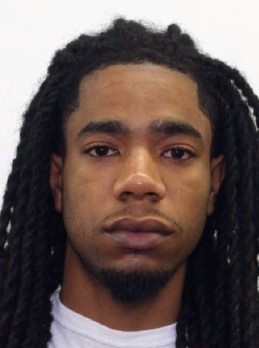
Male Wanted in Homicide Investigation,
Dejohn Marlin, 23, of Toronto

Male Wanted in Homicide Investigation,
Kobina Ackon, 30, of Toronto
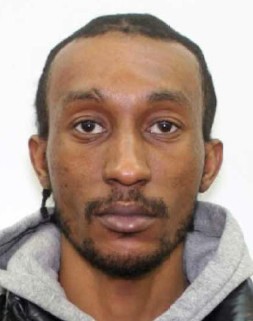
Male Wanted in Homicide Investigation,
Kobina Ackon, 30, of Toronto

Male Wanted in Homicide Investigation,
Gideon Addae, 24, of Toronto
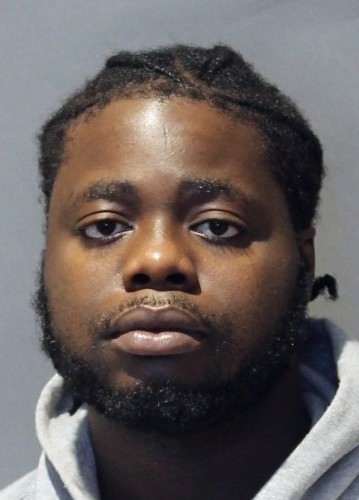
Male Wanted in Homicide Investigation,
Gideon Addae, 24, of Toronto

Male Wanted in Homicide Investigation,
Lincoln Picart, 35, of Toronto
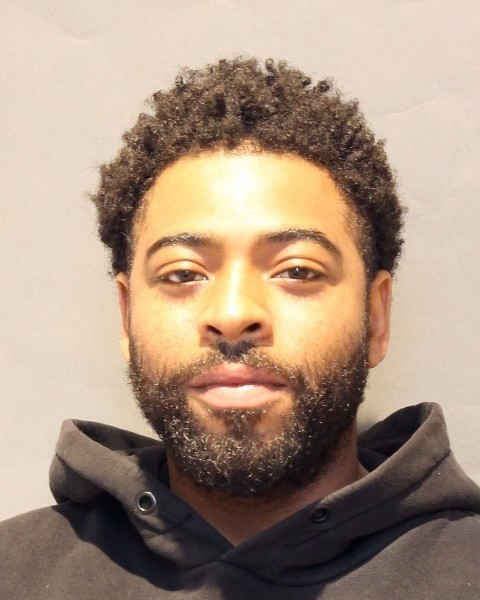
Male Wanted in Homicide Investigation,
Lincoln Picart, 35, of Toronto

Male Wanted in Homicide Investigation,
Daniel Addae, 23, of Toronto
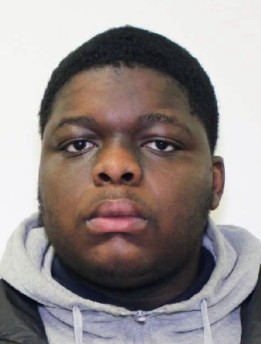
Male Wanted in Homicide Investigation,
Daniel Addae, 23, of Toronto

Male Wanted in Homicide Investigation,
Kyondre Davis, 23, of Toronto
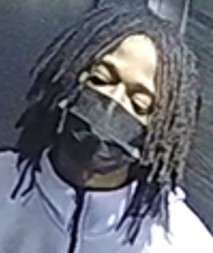
Male Wanted in Homicide Investigation,
Kyondre Davis, 23, of Toronto

Male Wanted in Homicide Investigation,
Justin Nichol, 23, of Mississauga
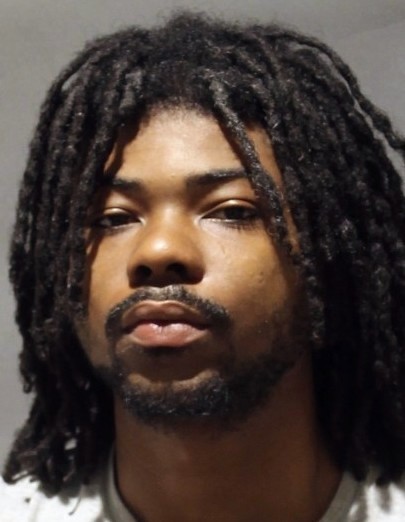
Male Wanted in Homicide Investigation,
Justin Nichol, 23, of Mississauga